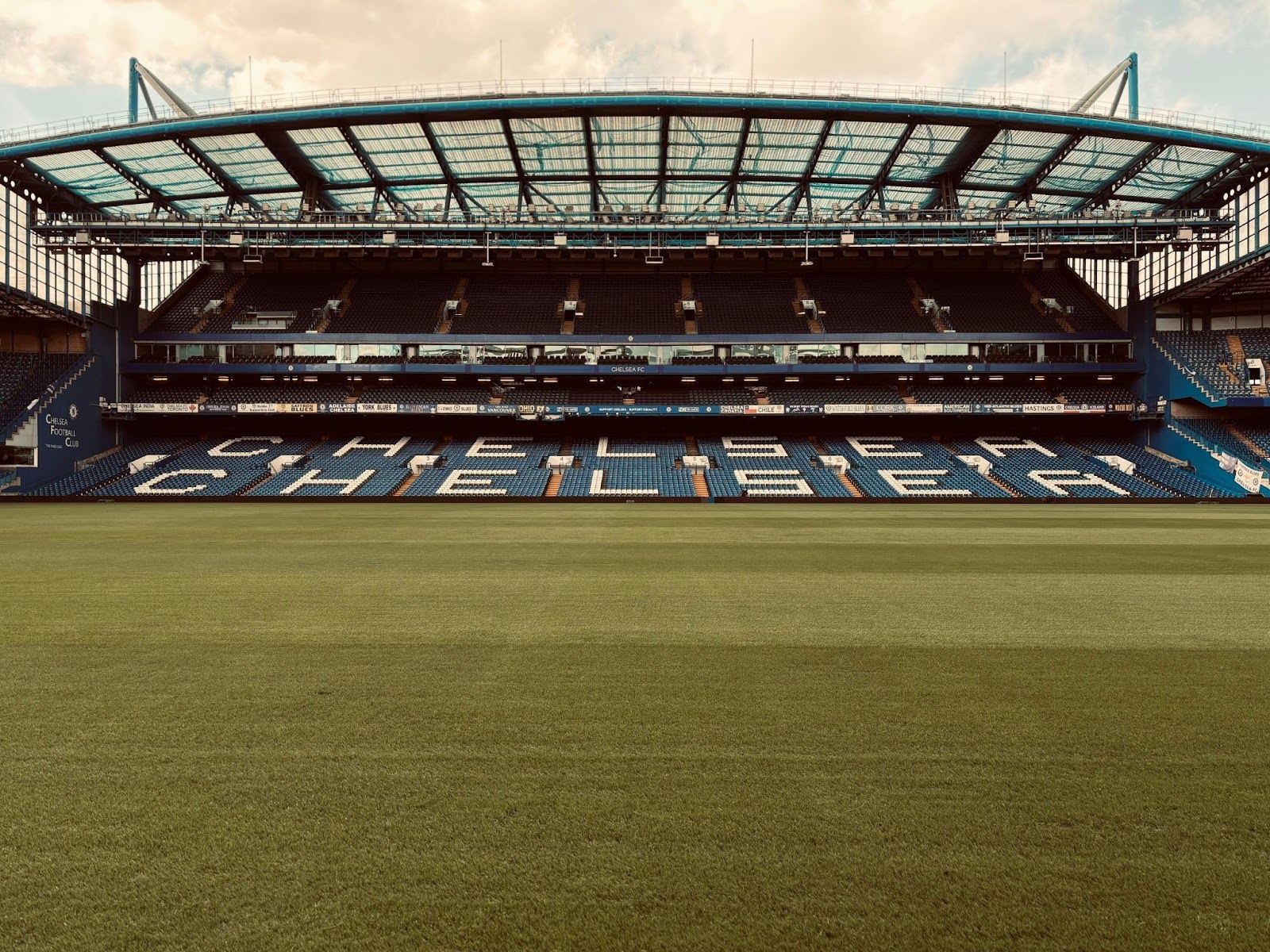
Chelsea made it official on January 1, 2026: Enzo Maresca and the club “parted company,” ending an 18-month reign that swung from silverware to sourness with an almost theatrical speed. In modern Chelsea terms, that’s practically a long marriage. It’s long enough to build something, long enough to argue about it, and long enough for the ending to feel both sudden and, to some, inevitable.
New Year’s Day, no mercy
Chelsea’s statement was brief, clean, and final. Reuters reported the club’s view more bluntly: the hierarchy believed a change gave the team the best chance of getting the season “back on track,” with major objectives still in play. The timing mattered. A winter decision tells you the club thinks the trend line is more dangerous than the table.
The strange truth: trophies didn’t save him
This isn’t a simple story of failure. Chelsea themselves credited Maresca with winning the UEFA Conference League and the FIFA Club World Cup during his tenure. Reuters added another pillar: he guided Chelsea back into the Champions League places with a fourth-place finish in his first season.
So why sack a coach who lifted cups? Because Chelsea’s ownership era is obsessed with trajectory. Trophies are framed as proof of ceiling; form is treated as proof of direction. When the club decided the direction had gone wrong, the medals became history, not protection.
The month that broke the deal
The immediate football reason was a sharp decline in the league. Reuters reported Chelsea won one of their last seven Premier League games, sliding out of the title conversation. They went from third in November to fifth by the halfway stage, sitting 15 points behind Arsenal.
The Bournemouth match became the public fracture point: a 2-2 draw at Stamford Bridge ended with boos, and fans chanting “You don’t know what you’re doing,” after Maresca substituted Cole Palmer. That kind of moment matters at Chelsea because it turns internal doubt into external noise. Once the stadium becomes a referendum, every team sheet reads like evidence.
The Guardiola shadow
Reuters noted that Maresca voiced frustration about behind-the-scenes issues and described a “worst 48 hours” during his tenure, hinting at a lack of support without spelling it out. ESPN reported additional strain on his media profile: sources suggested he appeared at an Italian newspaper event without permission and failed to appear for post-Bournemouth media duties, with the official explanation being illness, while other sources pointed to a reluctance to face another difficult debrief.
Then came the side-plot that football never resists: Manchester City. Maresca had been Pep Guardiola’s assistant at City in 2022-23, and Reuters reported Guardiola called him an “incredible” manager while reflecting on the instability that ends tenures elsewhere. Reuters also noted that Chelsea had to deal with the distraction of Maresca addressing links to the City job, even as he insisted he was committed to Chelsea.
At a club already sensitive to power dynamics, the mixture of bad results, internal strain, and a whiff of “what’s next?” is combustible.
Rosenior arrives
Chelsea moved quickly to the next chapter. Reuters confirmed Liam Rosenior as the new head coach on January 6, 2026, signing a deal until 203, which is a rare show of long-horizon intent at Stamford Bridge. The same report described him as the fourth full-time head coach since Todd Boehly’s 2022 takeover and noted the BlueCo multi-club structure linking Chelsea and Strasbourg.
Rosenior arrives from Strasbourg, where Reuters credited him with leading the club to European qualification after a seventh-place Ligue 1 finish. In the immediate handover, Reuters reported Calum McFarlane (Chelsea’s under-21s coach) would take the team for the Fulham match, with Rosenior’s first game in charge scheduled to be the FA Cup tie at Charlton Athletic.
This is the modern fan’s reality, too: fixtures, lineups, and announcements arrive through the phone first. Users often choose to look through betting websites (Arabic: مواقع مراهنات عالمية) after checking the official updates, keeping match hubs and live features in one place, while the new era begins.
Betting, buzz, and the second-screen season
Chelsea’s collapse in form didn’t happen in private. It unfolded in real time across streams, clips, and odds boards that update faster than the post-match quotes. Many fans follow that layer as part of the ritual: team news, injury updates, in-play swings, and the small market signals that react instantly to a substitution. On matchdays, some viewers keep stats on one screen while melbet sits on another, tracking live lines, odds, and statistics as the game’s mood changes minute by minute.
That layer can be fun when it stays in proportion. Treat it like entertainment, not income: set a budget, use limits, avoid chasing, and remember that January football already plays tricks on the nervous system without needing extra fuel.
What comes next
Maresca leaves with his record split down the middle: tangible trophies on one side, a late-stage collapse in league performance and internal harmony on the other. Chelsea, meanwhile, is betting that Rosenior can keep the tactical ideas they liked while changing the mood they didn’t. That means less friction, fewer public bruises, and a calmer route toward their stated objectives.
In January, clubs don’t just change coaches. They change narratives. Chelsea has chosen a new one, and the second half of the season will decide whether it reads like a rescue or another rewrite.