Modern judo groundwork has changed drastically from that of past competitions. Rule changes by the International Judo Federation have forced competitors to transition as quickly as possible and be much more aggressive with their pinning tactics. No longer is osaekomi-waza based on holding a position statically or forcing an opponent into exhaustion through long defensive battles. Elite judokas today aggressively pursue quick scores immediately upon release from a throw. Fans can expect faster transitions, shorter contests, and continuous pressure applied in all ne-waza situations.
Faster Hold Times Changed Everything
The drastic drop in pinning time has changed how coaches approach groundwork at all levels internationally. The first generation required 30 seconds to secure an ippon (win) while controlling the position at a more gradual pace. Fans watching top-level competitions across various media, such as MelBet Login, can see that ne-waza is becoming significantly quicker in today’s game. Current IJF regulations award ippon after twenty seconds of maintaining good osaekomi. Waza-ari will be awarded within the range of 10-14 seconds, thus making each attack more urgent than ever.
Most athletes no longer find themselves stationary in the side-control position before launching into their opponent. Athletes consistently transition from one angle or grip to another while changing the amount of pressure on their opponent. This constant transition was necessary because referees end ground attacks when they feel no progression is being made. Thus, creating high-pressure situations for competitors that require quick, precise pinning attacks to achieve a winning score on the scoreboard by the end of each match.
Seamless Transitions Became the New Standard
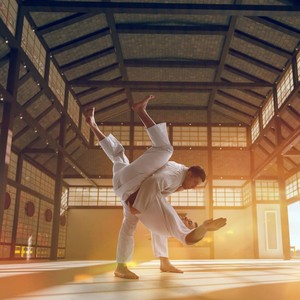
Modern judo has rewarded those who can take a throw and transition to the ground immediately, without losing body position. Some techniques were particularly relevant in terms of how they fit within this new strategic environment:
- Seoi-nage flows directly into Kesa-gatame using forward-throwing momentum.
- Sankaku-jime transitions forcing opponents into vulnerable Yoko-shiho-gatame positions.
- Hybrid choke-and-pin attacks maintain scoring pressure during defensive scrambling.
The combinations helped increase the attacker’s effectiveness by limiting the opponent’s recovery time against an experienced grappling specialist.
Hybrid Pins Created Double Pressure
In recent years, there has been a dramatic increase in IJF interpretations that have opened up new strategic options for combining submission attacks and controlling an opponent using osaekomi. The referee can start counting down to a pin as the competitor attacks the opponent’s choke/shoulder lock. When you watch international judo competitions on Melbet registration, you will see many competitors use submission attacks and then try to back up their attempt by trying to get a pin on the same opponent. The combination of defending against both potential submission threats and the time pressure to be scored on in the ground battle makes for some very intense and competitive exchanges.
Defensive Adaptations Changed Groundwork Battles
A new rule that forbids leg grabbing while both fighters are standing led to an unexpected increase in the use of legs by defensive fighters on the ground. Ground-fighting competitors found that if they could get into half guard, they could stop the referee’s countdown (osaekomi) in dangerous situations. All they needed was for a part of their leg to become entangled with their opponent, preventing officials from recognizing a score.
Athletes responded to this increased difficulty by creating various techniques for clearing opponents’ defenses using their knees, hips, and free arm. Many modern practitioners of ground-fighting have developed highly specialized training drills aimed solely at rapidly releasing their opponent’s hooks. This has become one of the most important strategic elements in judo competition today.
Sankaku-jime Became a Transitional Weapon
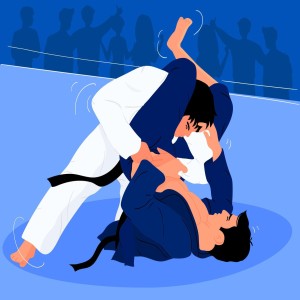
It has become so popular as a technique for combining control, rotation, and the potential for direct pinning. After many athletes fail on an initial throw, they then go into scramble mode. Using the triangular grip (sankaku), which allows them to rotate their opponent into yoko-shiho-gatame while still maintaining full pressure from above, is very effective.
It has been particularly useful in these over-tired situations found in many Golden Score matches. In this situation, opponents have less ability to move around and therefore make ideal transition targets for sankaku-based transitions to score. As such, most modern international competitions are won by athletes rapidly transitioning into osaekomi-type scoring opportunities via sankaku-style transitions.
Training Systems Evolved Around Ne-waza
National-leading teams have significantly increased their groundwork training volumes in recent competitive periods. The Japanese, French, and Georgian programs are reported to devote almost half of their technical preparation time to developing newaza skills. Many coaches believe that, under the current IJF rules, a competitor who can turn an opponent over as quickly as possible has a significant advantage.
Also increasing in frequency internationally are “newaza fighters” who specialize in specific grappling techniques. As such, it is becoming more common for competitors to deliberately create difficult throwing situations to transition into the ground game and gain an advantageous position. These competitors’ confidence on the mat when competing under modern IJF rules increases the likelihood of unpredictable tactics in close matches.
Modern Osaekomi Rewards Speed Instead of Patience
Modern-day pinning in Judo is all about movement, timing, and constant transition pressure. The static positioning from yesterday has become obsolete due to current IJF regulations that promote visible attack progression through groundwork. Therefore, elite Judokas are thinking ahead by at least one or two positions and continue their aggressive approach between attacks. And thus, a delayed reaction can dramatically change an entire match in as little as 2-5 seconds.