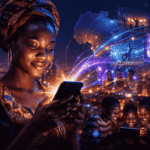
The smartphone changed what entertainment means for most people across Africa. A phone that fits in a pocket now delivers music, sport, films, games, and live events that previously required a television, a cinema, or a physical venue. That shift happened faster on this continent than almost anywhere else, driven by a combination of falling device prices and expanding mobile internet coverage.
Africa’s Mobile Revolution
Africa added more mobile internet users between 2022 and 2025 than any other region globally. By the end of 2025, over 600 million people on the continent had active mobile internet connections, with the majority accessing the internet exclusively through a smartphone rather than a computer.
Mobile internet growth accelerated when entry-level smartphones dropped below the $60 price point. Brands like Tecno, Infinix, and Itel built large market shares by targeting buyers who needed a capable device at a price that matched local income levels. That hardware shift opened the door for digital entertainment services that had previously been inaccessible to most of the continent.
Data costs also fell. In several major African markets, the cost per gigabyte dropped by more than 30% between 2022 and 2025, making regular use of streaming and interactive entertainment financially realistic for a much larger share of the population.
Entertainment on the Go
Mobile entertainment in Africa looks different from what streaming services designed for North American or European audiences offer. Sessions tend to be shorter, data consumption needs to be managed carefully, and content often needs to work on devices with limited processing power.
Smartphone entertainment in this context means services that load quickly, use data efficiently, and work reliably on 4G rather than requiring 5G or Wi-Fi. Platforms that understood these constraints early built loyal user bases before competitors adapted their products for the African market.
Music streaming has been the fastest-growing category, partly because audio files are smaller than video and work well on limited data plans. Platforms serving African users saw monthly active users grow by over 40% in 2024 alone, with artists from West and East Africa consistently appearing in the most-streamed lists.
The Growth of Mobile Services
Digital media in Africa now covers a wide range of services beyond music and video. Sports coverage, news, and interactive entertainment have all moved to mobile-first formats that reach users where they already spend their time.
Platforms like Pin Up, alongside sports apps, streaming services, and social media platforms, operate within a mobile entertainment ecosystem where African users are active participants rather than passive consumers, engaging with content and platforms through their phones throughout the day.
African streaming platforms have emerged alongside the international ones, creating locally produced content in native languages and formats. These services understand regional preferences in ways that global platforms struggle to replicate, which gives them a structural advantage in building retention among local audiences.
The table below shows how mobile entertainment consumption has shifted across key categories in Africa between 2023 and 2025:
| Category | 2023 Monthly Users | 2025 Monthly Users | Growth |
| Music streaming | 180 million | 310 million | +72% |
| Video streaming | 95 million | 175 million | +84% |
| Mobile gaming | 140 million | 240 million | +71% |
| Sports and live content | 60 million | 120 million | +100% |
These numbers reflect genuine behavioral change, not just platform growth. Users are replacing older entertainment habits with mobile-first alternatives at a pace that continues to accelerate.
New Opportunities for Digital Businesses

The scale of mobile entertainment adoption in Africa has created commercial opportunities that were not visible five years ago. Advertising, subscriptions, in-app purchases, and live event ticketing through mobile platforms are all growing revenue streams.
Local businesses, from music labels to sports organizations to news publishers, are building mobile-first strategies because that is where their audience is. International companies are following the same logic, investing in African mobile markets because the user numbers justify the attention.
The following factors make Africa an increasingly important market for digital entertainment businesses in 2026:
- A young population with high smartphone adoption rates and growing purchasing power.
- Expanding 4G coverage and early 5G rollout in major urban centres.
- Local content industries producing material that African audiences prefer over imported alternatives.
- Mobile payment infrastructure that allows monetization without requiring bank accounts or credit cards.
Each of these factors compounds the others, creating conditions for continued growth that are unlikely to reverse in the near term.
What Comes Next
The next phase of mobile entertainment in Africa will be shaped by two developments: 5G expansion and better local content production. Faster connections will make high-quality video streaming and live sports coverage more accessible in urban areas. Better production infrastructure will generate more content that African audiences want to watch, read, and interact with.
In conclusion, mobile technology has already changed how entertainment reaches people across Africa. The platforms and businesses that understand how African users actually use their phones, under real conditions with real constraints, will continue to build the most relevant and sustainable products for this market.